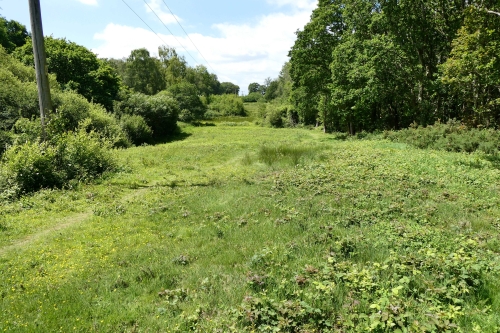
Historically, Abbot’s Wood was one of the best butterfly sites in the UK but sadly this ancient woodland ...
More information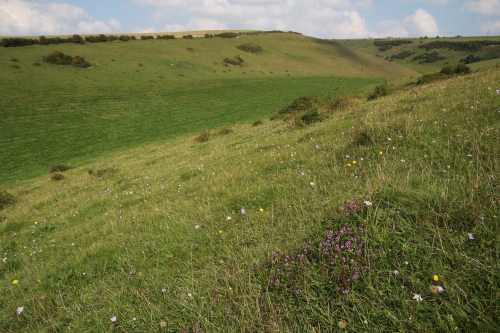
All the usual downland butterfly species can be seen at this location, and in some years there can be ...
More information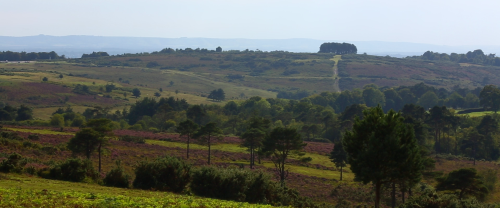
Ashdown Forest encompasses 2,600 hectares of heaths and woodlands and is one of the largest areas of open ...
More information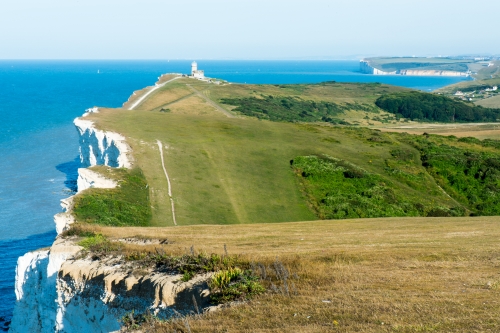
This area is worth a visit just for the views! The 3km pathway between Beachy Head and Birling Gap is a mecca ...
More information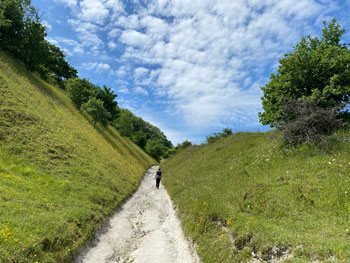
This National Trust site isn’t the easiest place to visit but make the effort and the rewards are there to ...
More information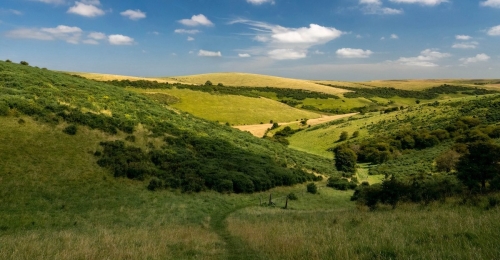
This is a National Nature Reserve managed by Natural England. The butterfly list is impressive, and it is ...
More information
A one kilometre-square area of downland, situated above the village of Storrington. It consists of three ...
More information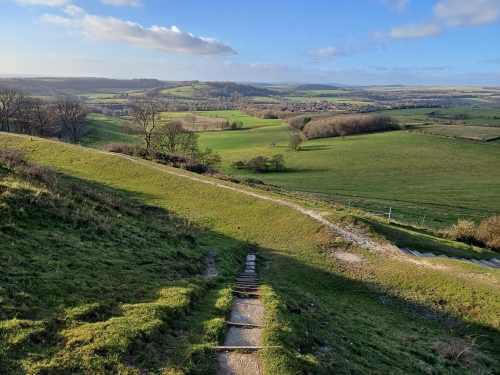
This downland site is owned and managed by The National Trust. The defensive banks and ditches of this ...
More information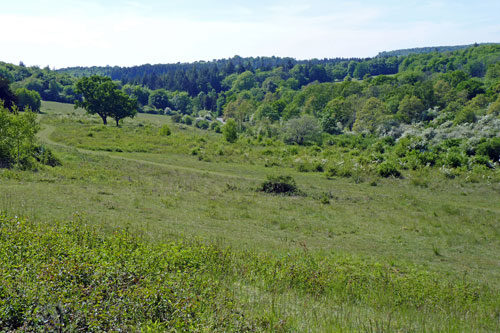
This is a Local Nature Reserve, which has an impressive list of wildflowers, including many uncommon orchids. ...
More information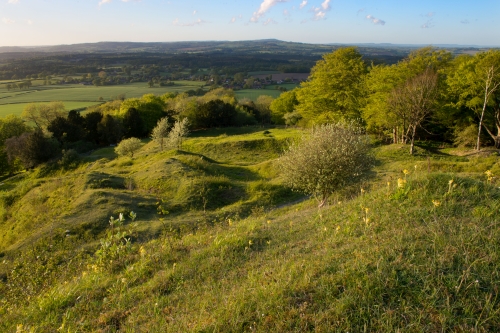
An exploration of this downland requires climbing a very steep slope, so be warned. It is best known for its ...
More information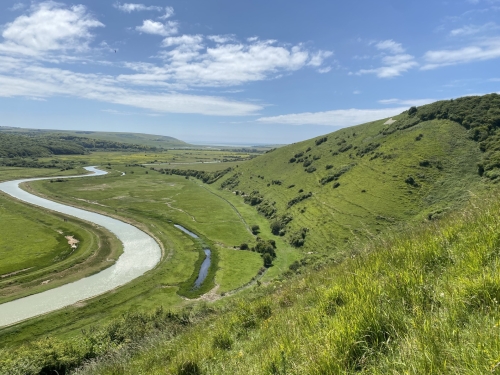
This location is best known for its large colony of Wall butterflies, but most of the downland species can be ...
More information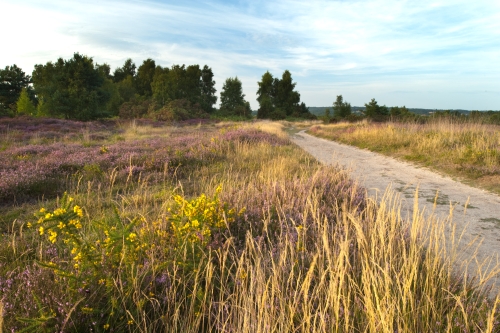
A heathland site, managed by Sussex Wildlife Trust, this is the best location in Sussex to observe ...
More information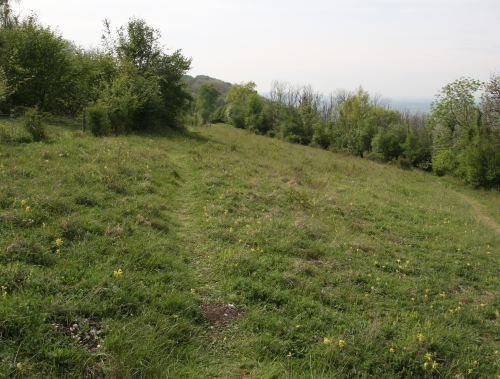
The most visited butterfly site in Sussex, and with good reason. Just one hectare in size, it boasts a list ...
More information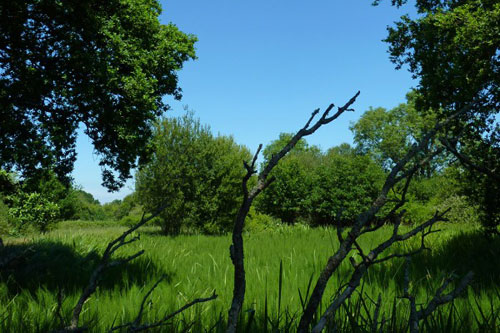
This 1,400 hectare estate is criss-crossed by footpaths, bridleways, and permissive access routes. It is the ...
More information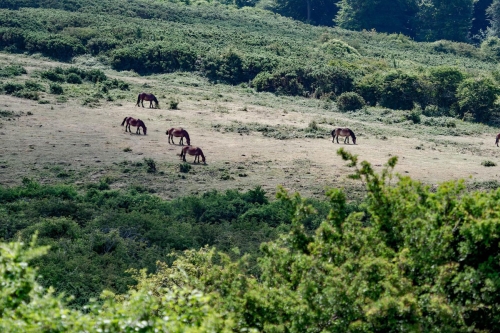
This a 60 hectare National Nature Reserve, established in 1955 to conserve one of the largest areas of chalk ...
More information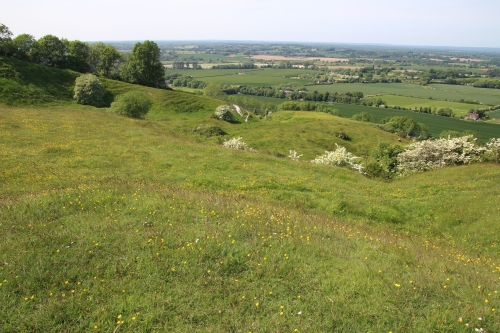
Sussex Wildlife Trust own and manage the coombe at Malling Down. The south-facing slope of the coombe at ...
More information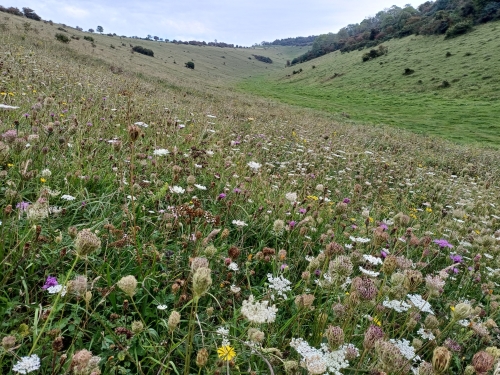
Medley Bottom is described in The Butterflies of Sussex as one of the National Park's hidden gems. In truth, ...
More information_sm.jpg)
The warm, south-facing, slopes of this popular downland location encourage the early emergence of the spring ...
More information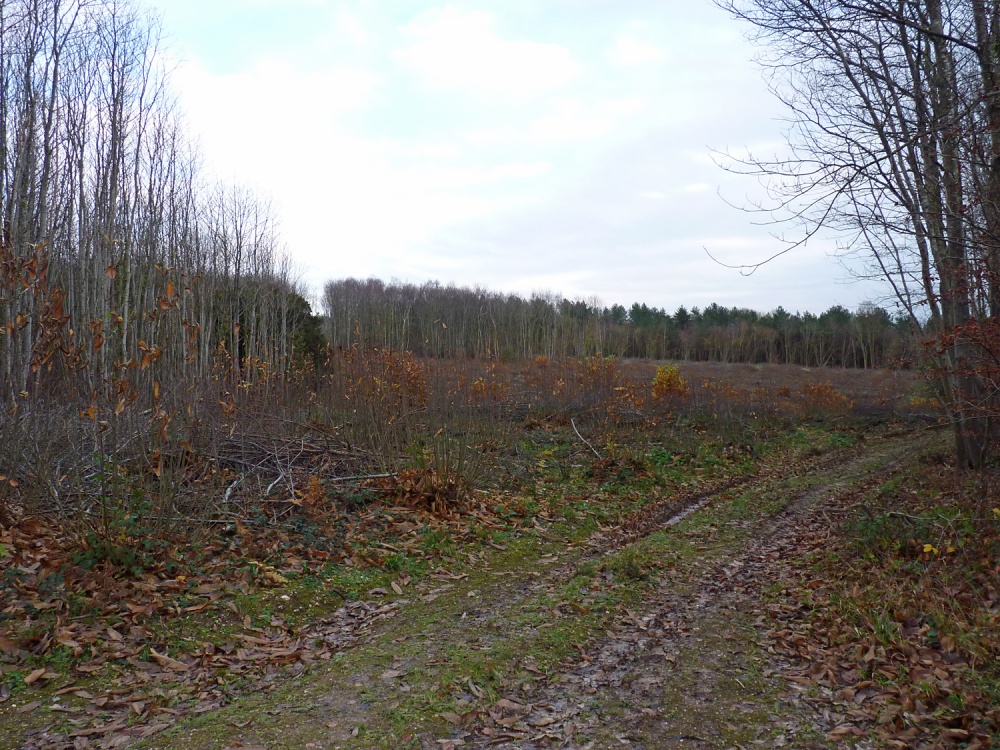
This wood supports the largest remaining population of Pearl-bordered Fritillary in West Sussex, due to the ...
More information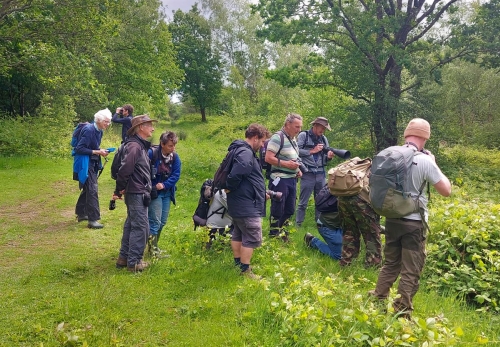
These are two adjacent nature reserves that are owned and managed by Butterfly Conservation. They are ...
More information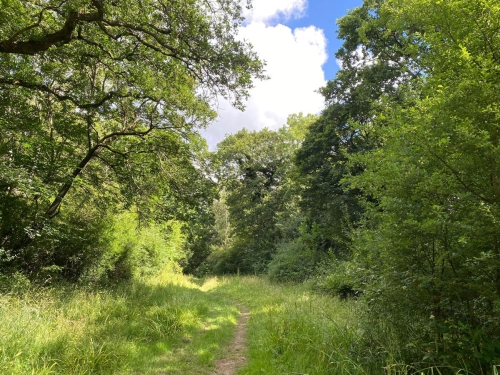
Southwater Woods is a complex of woods with Madgeland Wood to the west and Marlpost Wood to the east. Before ...
More information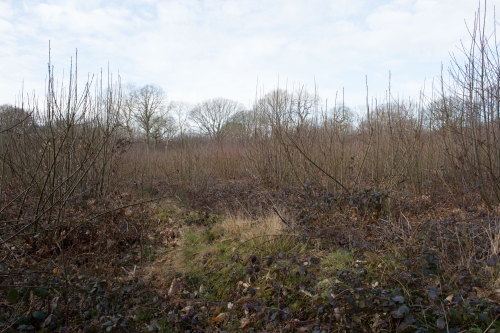
This is a butterfly-friendly, diverse woodland, which includes rotational coppicing of Sweet Chestnut. The ...
More information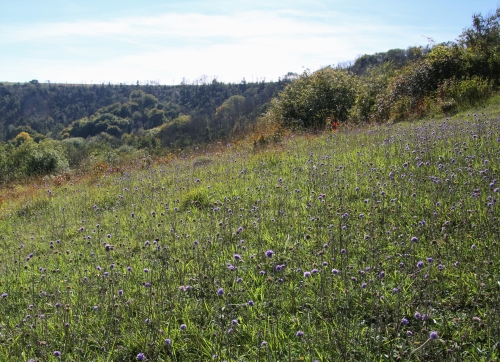
This carefully-managed 65 hectare site of woodland and chalk grassland boasts an impressive list of ...
More information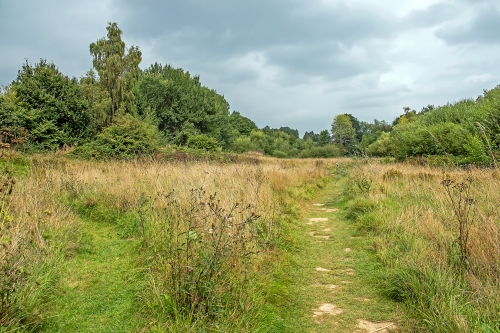
To quote from the Warnham Nature Reserve website: “Lots of work has been put in to creating a number of ...
More information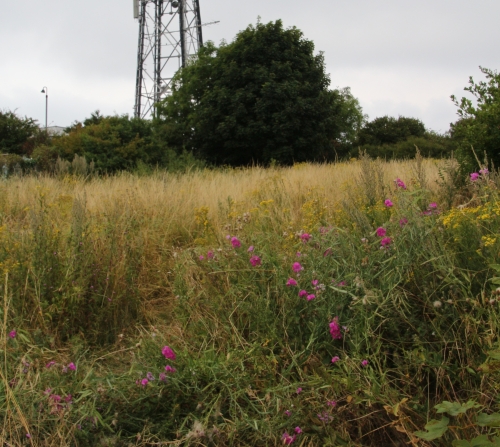
This Local Nature Reserve is located on the eastern edge of Brighton, next to Brighton Racecourse. This site ...
More information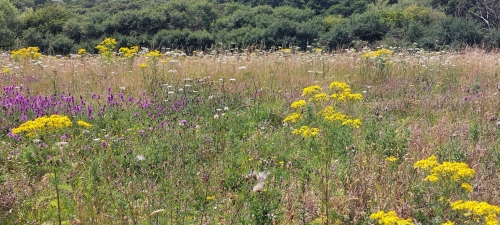
This Sussex Wildlife Trust reserve has woodlands and meadows that attract a wide range of butterfly ...
More information